
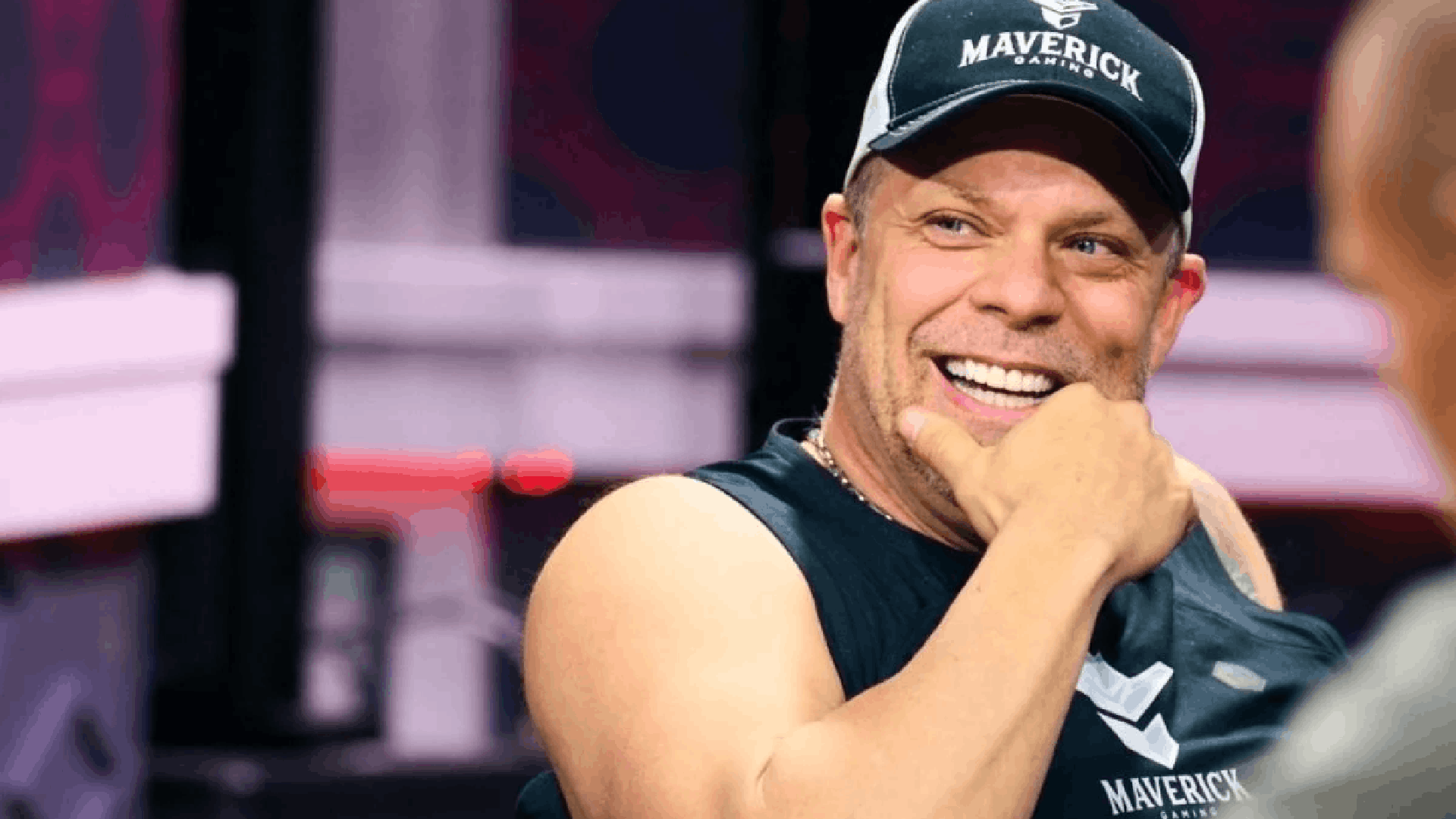
The Washington state cardroom operator Maverick Gaming challenged the state's tribal-exclusive sports betting model, but the U.S. Supreme Court declined to hear the case.
Tribal gaming advocates praised Monday's ruling as a victory for tribal sovereignty around the country as well as Washington's tribes.
In 2023, Maverick filed a lawsuit against the federal government and Washington, claiming that the state's sports betting regulations constituted an unconstitutional monopoly.
The business embarked on a shopping frenzy throughout Washington after the federal sports-betting ban was overturned by the U.S. Supreme Court in 2018, purchasing 19 card rooms in 2019 alone.
Maverick was disappointed when the legislature decided to support a tribes-only approach in 2020, since he had anticipated that lawmakers would eventually permit commercial sports betting statewide.
Rights of Sovereignty
When Maverick brought the matter to federal court, the Shoalwater Bay Tribe—which was not a defendant—intervened to protect its gaming rights, turning it into a sovereign rights dispute. The tribe claimed that its sovereign immunity barred the case from moving forward without its participation.
Maverick was essentially attempting to "invalidate tribal gaming compacts, an acknowledged legal entitlement," according to U.S. District Judge David Estudillo, who dismissed the action in February 2023.
“Maverick seeks nothing less than a wholesale revocation of the tribes’ ability to operate casino gaming facilities,” Estudillo wrote.
Additionally, the judge determined that although the Shoalwater Bay Tribe was an essential party to the lawsuit, its sovereign immunity prevented it from being involved in the legal proceedings.
Ironically, Shoalwater Bay Tribe member and Maverick CEO and skilled poker player Eric Persson declared he was ready to take the dispute to the Supreme Court. The Supreme Court, however, had different opinions. Its finding essentially closes the case by upholding the lower court's decision.
Maverick's Bankruptcy
Maverick, which filed for Chapter 11 bankruptcy in July and listed total assets and liabilities of $100 million to $500 million, suffers even more as a result.
“The difference in mission could not be clearer,” Rebecca George, Executive Director of the Washington Indian Gaming Association (WIGA), told Casino.org. “Tribal and state-regulated gaming revenues go to fund government programs – from healthcare and education to housing, infrastructure and environmental restoration. In contrast, private and speculative operations direct profits to individuals and out of state (or country) investors. These laws were written to make sure gaming serves the public good, not private greed.”